Start Your Magic Hair Growth Today From $28 Nett!

Alopecia Areata Treatment in Singapore
Imagine running a hand through your hair only to be shocked by a smooth, coin-sized bald patch. This abrupt form of hair loss is known as alopecia areata, a condition that affects many individuals in Singapore. It’s characterised by the sudden appearance of distinct, round or oval patches of hair loss on the scalp, eyebrows, or other areas of the body. Understanding this condition is crucial for those experiencing its effects and looking to manage it.
Here’s everything you need to know about alopecia areata in Singapore, from its causes and symptoms to available treatments and support options.
Table of Contents
- What is Alopecia Areata (Spot Baldness)?
- Types of Alopecia Areata: Understanding Your Hair Loss Pattern
- Who is at Risk for Alopecia Areata?
- Symptoms of Alopecia Areata
- What Causes Alopecia Areata?
- Treatment Options for Alopecia Areata
- Comparing Alopecia Areata Treatments: Which is Right for You?
- Alopecia Areata Treatment Cost in Singapore
- Why Choose V Aesthetics Hair Grow for Alopecia Areata Treatment?
- Frequently Asked Questions About Alopecia Areata
- Transparent Pricing, Personalised Support
- Price From $28 Nett.
- Related Treatments

What is Alopecia Areata (Spot Baldness)?
Alopecia areata is an autoimmune condition where the immune system mistakenly attacks hair follicles, leading to hair loss. This can affect individuals of any age or gender, although it often begins in childhood or adolescence. However, some studies report that those of Asian ethnicity tend to be more likely to be affected by the condition.
The condition is characterised by the sudden appearance of round or oval patches of hair loss on the scalp or other areas of the body. While it can lead to significant emotional distress, alopecia areata is a non-scarring condition, meaning the hair follicles remain intact and have the potential for regrowth with proper treatment and care.
Types of Alopecia Areata: Understanding Your Hair Loss Pattern
Patchy Alopecia Areata
Patchy alopecia areata is the most common form, characterised by one or more smooth, coin-sized bald patches on the scalp or beard; its prognosis is generally good, with a generally high chance of hair regrowth. The typical treatment for this type of alopecia areata involves topical or injected corticosteroids.
Alopecia Totalis
Alopecia Totalis is defined by the complete loss of all hair on the scalp; its prognosis for full spontaneous recovery is poor and less likely to respond to conventional therapy, requiring more aggressive, often systemic treatment like oral immunosuppressants or Janus kinase (JAK) inhibitors.
Alopecia Universalis
Alopecia Universalis represents the most severe subtype, involving the complete loss of all hair across the entire body, including the scalp, eyebrows, and eyelashes; its prognosis is the poorest, as it is typically highly resistant to treatment, requiring intensive systemic drug therapy for management.
Ophiasis Pattern Alopecia
The Ophiasis pattern alopecia is characterised by a distinct band of hair loss that wraps around the lower scalp, following the occipital (back) and temporal (sides) hairlines; this pattern typically has a poorer prognosis and is more resistant to treatment, often requiring advanced combination therapies.
Alopecia Areata Reticularis
Alopecia areata reticularis is where multiple, active patches of hair loss fuse and overlap, creating a net-like or mosaic pattern across the scalp; its prognosis can be chronic and variable, often requiring systemic therapy or topical immunotherapy, similar to more extensive patchy forms.
Sisaipho (Inverse Ophiasis)
Sisaipho, which is Ophiasis spelled backwards, is a rare pattern where hair loss affects the central or crown area while notably sparing the side and back of the head; interestingly, despite its appearance, Sisaipho is often reported to have a better prognosis and therapeutic response compared to the typical Ophiasis pattern.
Who is at Risk for Alopecia Areata?
Alopecia areata reticularis is where multiple, active patches of hair loss fuse and overlap, creating a net-like or mosaic pattern across the scalp; its prognosis can be chronic and variable, often requiring systemic therapy or topical immunotherapy, similar to more extensive patchy forms.
While anyone can develop alopecia areata, you may be more at risk due to the following factors:
- Family History: A family history of alopecia areata or other autoimmune conditions increases the likelihood of developing the condition, suggesting a genetic component.
- Age: The condition typically begins in childhood or adolescence, although it can occur at any age.
- Other Autoimmune Diseases: People with existing autoimmune conditions like thyroid disease, vitiligo, or type 1 diabetes may be more susceptible to developing alopecia areata.
- Stress: Severe physical or psychological stress is frequently reported by patients as a trigger that precedes the initial onset or a flare-up of alopecia areata, as stress can disrupt the immune system’s delicate balance.
Symptoms of Alopecia Areata
The primary symptoms of alopecia areata include:
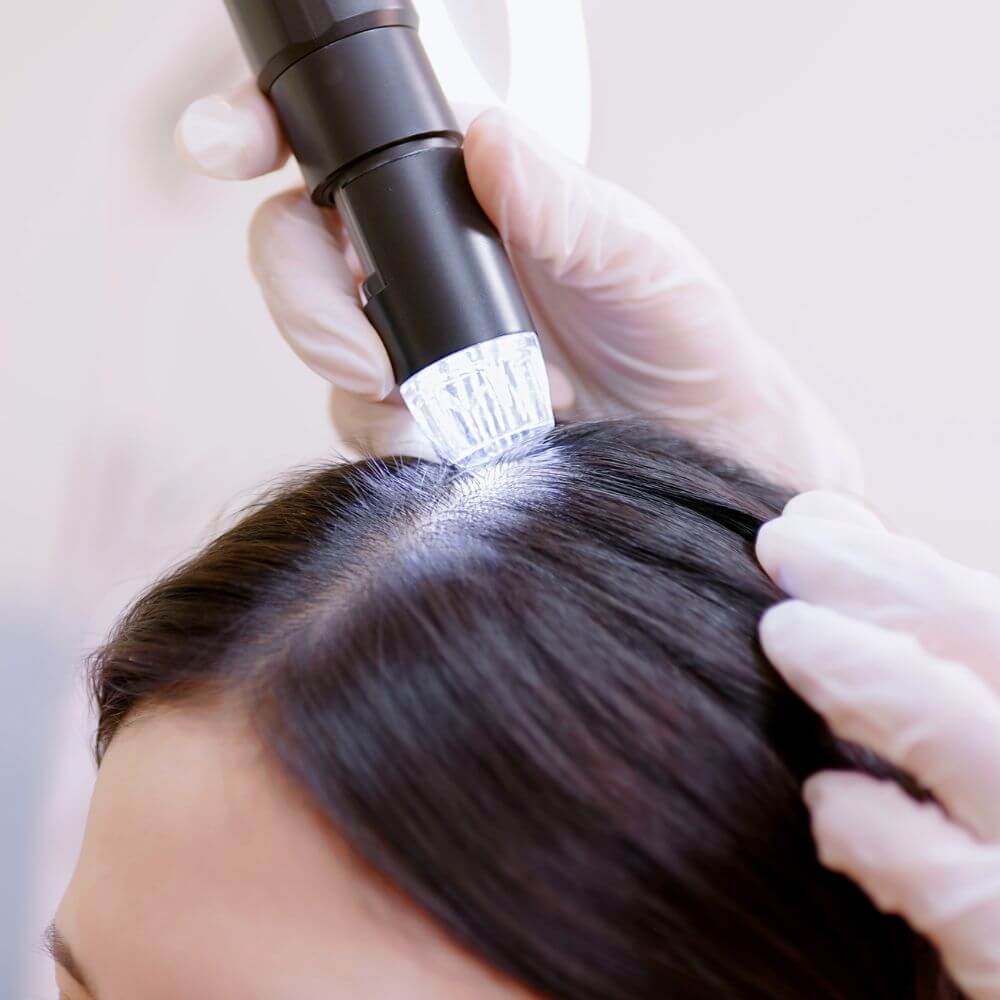
Changes in nails, such as pitting, discolouration, or ridging. These changes occur due to the immune system’s impact on nail growth, similar to how it affects hair follicles.
- The sudden appearance of round or oval patches of hair loss on the scalp or other areas of the body. These patches are usually smooth and may be normal in colour or slightly red due to inflammation.
- In some cases, individuals may experience itching or tingling in the affected area before hair loss occurs.
- Short or broken hairs at the edge of the bald patch.
- Changes in nails, such as pitting, discolouration, or ridging. These changes occur due to the immune system’s impact on nail growth, similar to how it affects hair follicles.
What Causes Alopecia Areata?
While the exact cause of alopecia areata remains unknown, it’s believed to be an autoimmune disease where the body’s immune system mistakenly attacks hair follicles, leading to hair loss. Several factors can increase the risk of developing alopecia areata, including:
- Genetics: Having a family history of alopecia areata or other autoimmune conditions increases the risk.
- Stress: While stress doesn’t directly cause alopecia areata, it can trigger or worsen the condition in susceptible individuals.
- Other Autoimmune Diseases: People with conditions like thyroid disease, vitiligo, or type 1 diabetes may have a higher likelihood of developing alopecia areata.
- Lifestyle: A persistently poor diet or severe nutrient deficiencies may impact overall immune function, potentially lowering the threshold for a flare-up.
- Climate: Extreme heat and humidity in climates like Singapore can exacerbate scalp issues, leading to hygiene problems and inflammation that might aggravate the condition.
- Environment: Exposure to air pollution or certain environmental toxins may contribute to systemic inflammation, potentially influencing the body’s immune response against hair follicles.
Treatment Options for Alopecia Areata
Medical Treatments
Medical treatments are often the first line of defence for alopecia areataa, particularly for active or extensive hair loss. They aim to suppress the immune system’s attack on the follicles and stimulate regrowth. This may involve the use of corticosteroids (topical, oral, or injected) to reduce inflammation, topical immunotherapy to redirect the immune response, or topical minoxidil to promote blood flow and growth.
Aesthetic Treatments
Aesthetic treatments are typically best suited for managing small, stubborn patches or for patients who prefer non-drug approaches. These options, which include Low-Level Laser Therapy (LLLT) and Platelet-Rich Plasma (PRP) therapy, focus on creating an optimal scalp environment to stimulate the hair follicles into the growth phase.
Combination Therapy Approaches
A combination therapy approach might be deal for persistent or widespread hair loss because it allows for multiple underlying pathways to be targeted simultaneously. For example, combining an anti-inflammatory medication with a specialised scalp treatment and LLLT can address both the autoimmune attack and promote physical follicle stimulation for potentially better results.
Comparing Alopecia Areata Treatments: Which is Right for You?
While there’s no definitive cure for alopecia areata, various treatments can help manage the condition and promote hair regrowth. The response of these treatments vary from person to person depending on the scalp conditions or severity of the condition.
Below are some options for alopecia areata treatments available in Singapore:
Topical Treatments
Topical treatments are medications applied directly to the affected areas of the scalp to stimulate hair growth and suppress the immune system’s attack on hair follicles. They are non-invasive and generally pain-free with no downtime. The cost is low to moderate, but results could take 3 to 6 months of consistent use and are more successful for small, recent patches. Examples include:
- Topical Corticosteroids: These medications reduce inflammation and suppress the immune response, promoting hair regrowth in some cases.
- Topical Immunotherapy: This treatment involves applying a chemical irritant to the scalp to trigger an allergic reaction, which may stimulate hair regrowth.
- Minoxidil: This over-the-counter medication is applied to the scalp twice daily to promote hair growth.
Hair Growth Tonics
The V Magic Hair Grow is a 5-step hair growth treatment in Singapore that relies on specific equipment and specially formulated growth serums to manage alopecia areata, hair loss and nourish the scalp. The treatment is entirely non-invasive and pain-free with no downtime.
By stimulating scalp hypercirculation and increasing the permeability of hair growth serum, the treatment delivers essential growth factors directly into the follicles and roots of the hair, without causing any damage to scalp tissues.
Intralesional Corticosteroids
Intralesional corticosteroids involve injecting corticosteroids directly into the affected areas of the scalp. This hair loss treatment can be effective in promoting hair regrowth in small patches of alopecia areata, but may not be suitable for extensive hair loss. Potential side effects include temporary pain, thinning of the skin, and changes in skin pigmentation.
However, hair regrowth may be visible in as little as 4 to 8 weeks, making it a potentially highly successful option for localised patches (often first-line therapy), though it is not suitable for extensive hair loss. The cost is moderate to high per session, depending on the area.
Alopecia Areata Treatment Cost in Singapore
| No. of Sessions | Duration (Per Session) | Treatment Interval | Price |
| Minimum 5 Sessions | 60 Minutes | 1 Week | $28 Nett |
Why Choose V Aesthetics Hair Grow for Alopecia Areata Treatment?
Professional Hair Restoration
Our team consists of doctor-trained professionals dedicated to guiding you towards recovery with compassionate, client-focused care.
Research-Based Treatment Technology
We utilise scientifically backed technologies and treatments to address alopecia areata and nourish the scalp without causing any damage to scalp tissues.
Personalised Treatment Plans
We move beyond one-size-fits-all by creating bespoke packages tailored specifically to your unique hair condition and individual needs.
Islandwide Convenience
With four easily accessible locations (Novena, Dhoby Ghaut, Jurong East, and City Hall) near MRT stations, professional hair care is always within easy reach across Singapore.
Frequently Asked Questions About Alopecia Areata
Can alopecia areata be cured?
Though alopecia areata can be challenging to manage, various hair loss treatments available in Singapore can effectively promote hair regrowth and help control the condition. The choice of treatment depends on the severity of hair loss, individual preferences, and the response to previous treatments.
How much does alopecia areata treatment cost in Singapore?
The cost is highly variable and depends entirely on the severity of your condition and the chosen treatment method. Options range significantly, from affordable topical or steroid creams to more costly in-clinic procedures like steroid injections, PRP, or specialised laser therapies. A proper consultation is essential for an accurate, personalised quote.
How long does it take for hair to regrow with treatment?
The time it takes for hair to regrow with treatment can vary depending on the type of treatment, the severity of hair loss, and individual response. In general, it may take several months to see noticeable results. With V Magic Hair Grow, many individuals experience visible hair regrowth from 6 weeks onwards.
Can diet and lifestyle changes help with alopecia areata?
While there’s no direct evidence that specific dietary or lifestyle changes can cure alopecia areata, maintaining a healthy diet and managing stress levels can support overall health and potentially contribute to hair regrowth.
What should I do if I suspect I have alopecia areata?
If you notice sudden or patchy hair loss, it’s important to head down to an alopecia treatment centre and consult a dermatologist or hair specialist for proper diagnosis and treatment. Early intervention can improve the chances of successful hair regrowth and prevent further hair loss.
At V Aesthetics Hair Grow, our team of experienced professionals is here to guide you through your hair loss journey. We offer comprehensive consultations and personalised treatment plans to address your specific needs and help you regain your confidence.
Is alopecia areata treatment painful?
Most non-invasive topical applications and light therapies are painless. Treatments like corticosteroid injections can involve brief, minor discomfort or a stinging sensation at the injection site, but this is usually well-tolerated.
Will my hair grow back the same texture/color?
When hair initially regrows in the affected patches, it might first appear as fine, colourless downy hair (vellus hair) before regaining its normal texture and pigment. In some cases, the new hair could temporarily grow back a different colour or texture before normalising.
Can alopecia areata come back after treatment?
Yes, alopecia areata is an autoimmune condition and can recur even after successful treatment. While therapy can help achieve remission and regrow hair, there is always a chance of new patches appearing later. A good haircare routine, proper nutrition, and monitoring are often recommended.
Do I need a referral to see a hair loss specialist in Singapore?
Generally, you do not need a referral to see a private hair loss specialist in Singapore.
Transparent Pricing,
Personalised Support
Price From $28 Nett.
Costs may vary depending on the extent of hair loss, scalp condition, and number of sessions recommended. We provide clear pricing with solutions tailored to your specific concerns.
Sessions start from just $28 nett, with care focused on visible results.
Related Treatments
Female Hair Loss Treatment
Feeling the impact of female hair loss? Discover treatments that target the root causes and promote regrowth, restoring your confidence and well-being.
Male Hair Loss Treatment
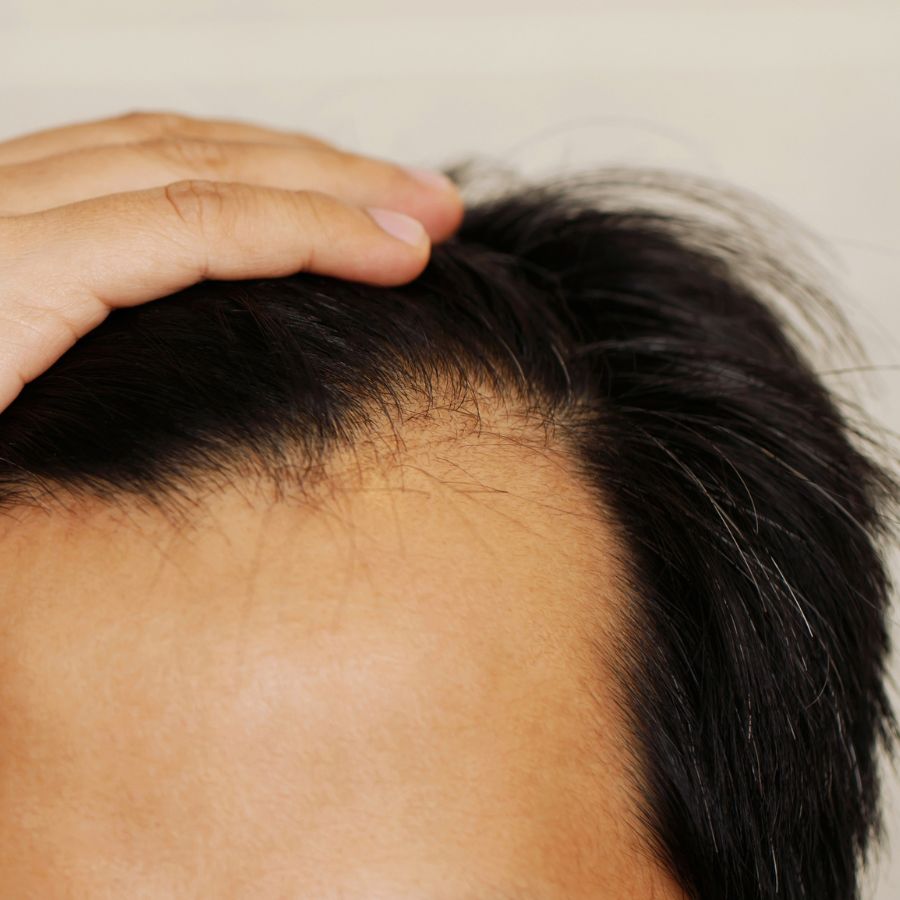
Combat male hair loss in Singapore with personalised treatments at V Aesthetics Hair Grow. Our non-surgical approach promotes natural hair regrowth.
Postpartum Hair Fall Treatment
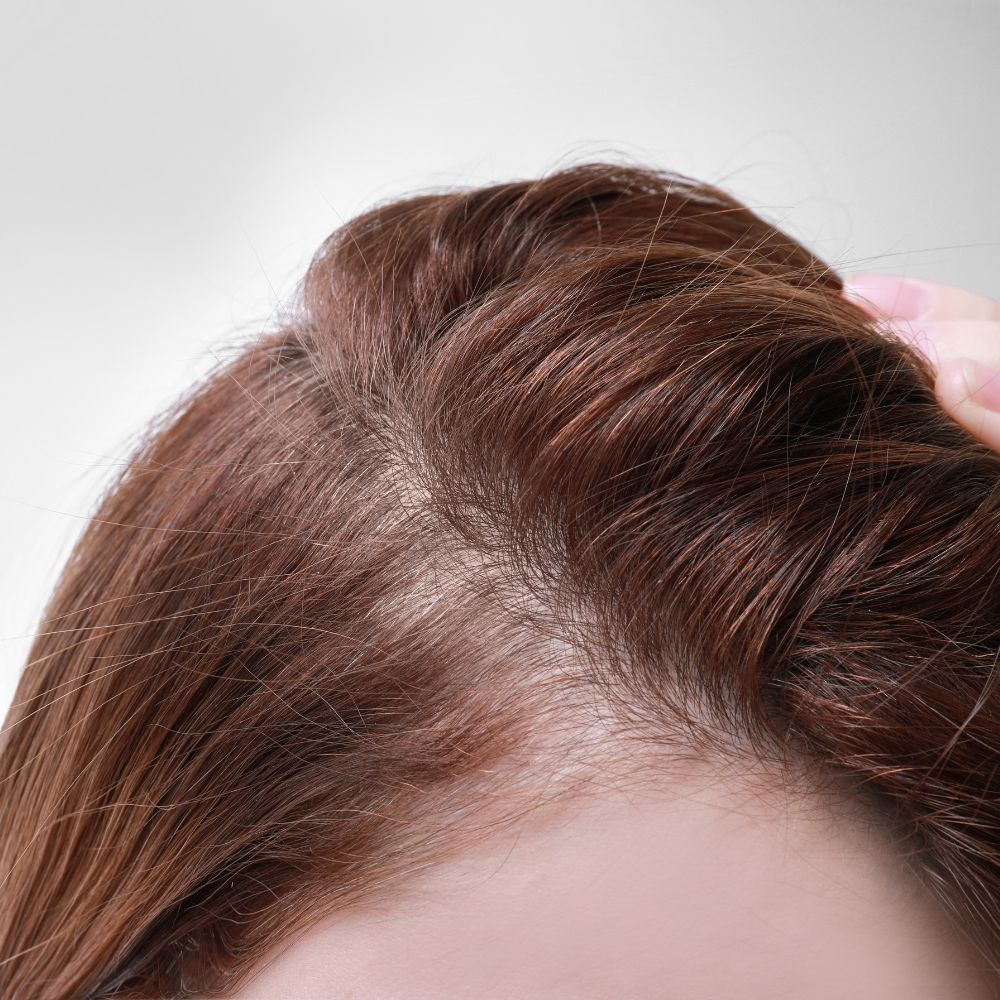
Feeling overwhelmed by postpartum hair loss? You’re not alone. Learn about the treatments available to manage hair fall and regain your sense of self.