
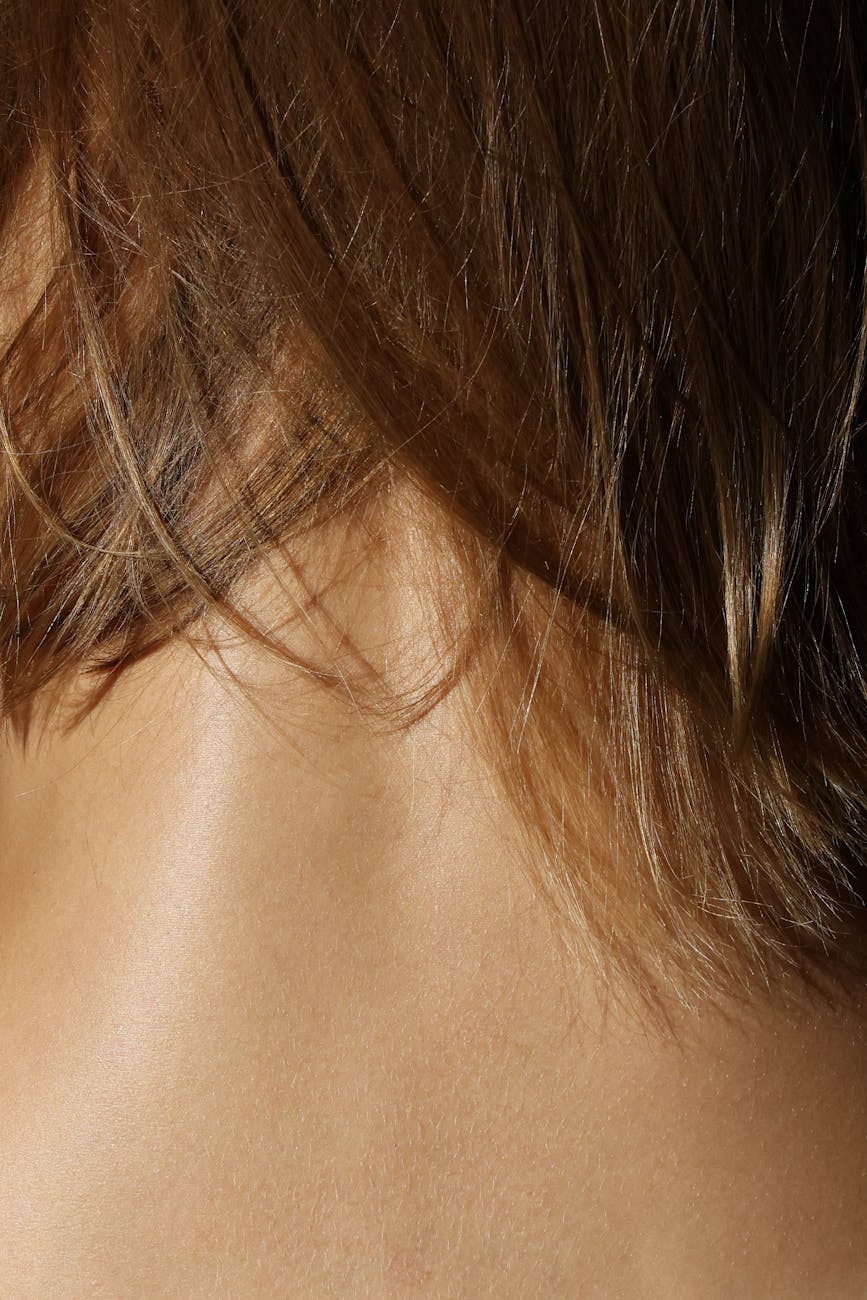

We all have a “default” hair texture — whether it’s straight, wavy, curly, or coily. But if your hair suddenly feels different from what you’re used to, it could be your scalp trying to tell you something.
Changes in hair texture often start at the root — literally. Your scalp’s condition, health, and environment can directly affect how your hair grows out. Let’s break down what those changes might mean and what you can do about them.
Why Scalp Health Affects Hair Texture
Your hair grows from follicles embedded in the scalp. If your scalp is balanced, nourished, and healthy, hair tends to grow in its natural pattern and strength. But if your scalp is irritated, nutrient-deprived, or inflamed, it can alter the way the hair shaft forms — changing its thickness, smoothness, or even curl pattern.
Common Hair Texture Changes & What They Could Mean
1. Hair Feels Drier and Rougher
Possible causes:
- Reduced scalp oil production (common with aging)
- Overwashing or harsh shampoos stripping natural oils
- Chronic scalp dryness or eczema
2. Hair Feels Finer or Thinner
Possible causes:
- Follicles shrinking due to hormonal changes
- Poor scalp circulation reducing nutrient supply
- Scalp inflammation weakening hair structure
3. Hair Suddenly Feels Coarser or Frizzier
Possible causes:
- Damage to the cuticle from heat, chemicals, or UV exposure
- Mineral buildup from hard water affecting hair shaft smoothness
- Scalp producing excess oil that disrupts moisture balance
4. Change in Curl Pattern
Possible causes:
- Hormonal shifts (pregnancy, menopause, thyroid changes)
- Scalp inflammation altering follicle shape
- Long-term chemical treatments changing follicle structure
When to Pay Attention
If your hair texture changes suddenly and stays that way for weeks or months — especially if paired with shedding, flaking, or scalp discomfort — it’s worth getting your scalp checked.
Persistent changes in hair thickness or texture can be linked to scalp disorders, nutritional deficiencies, or hormonal imbalances.
Tips to Maintain Healthy Hair Texture
- Keep Your Scalp Clean but Not Stripped – Use pH-balanced shampoos.
- Protect from Heat & UV – Heat tools and sun damage can alter texture.
- Stay Hydrated & Nourished – Your scalp needs vitamins, minerals, and hydration to produce healthy hair.
- Exfoliate the Scalp – Remove buildup so follicles can function properly.
📌 Final Takeaway
Your hair texture is like a report card for your scalp health. If it starts to feel different, it’s worth investigating what’s going on beneath the surface. With the right scalp care, you can restore your hair to its natural, healthy state.
Leave a Reply