
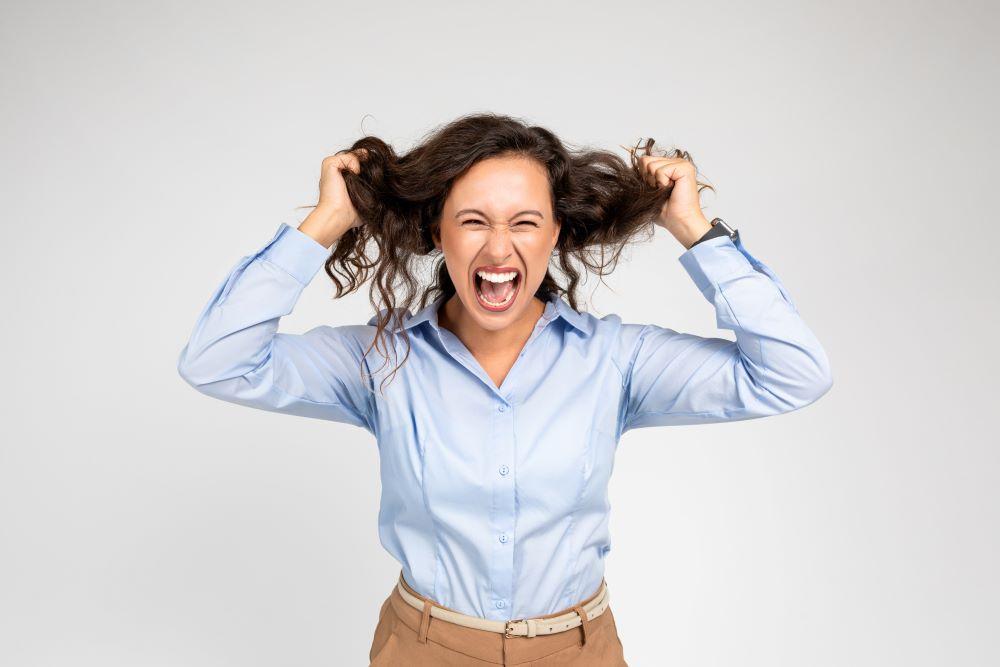
Balancing work, family, and social life can be overwhelming, and stress often shows up in ways we don’t expect—like hair loss.
Although it may seem like just a cosmetic issue, hair loss can have a big impact on a woman’s confidence and emotional well-being. The added stress can make the problem worse, creating a cycle that affects both mental and emotional health.
Understanding the connection between stress and hair loss is crucial, especially for women who feel an intense pressure to excel across all aspects of life. While ambition is great, it shouldn’t come at the cost of your well-being.
Read on to find out how stress affects hair growth in women, the types of hair loss it can trigger, and practical strategies for managing stress and promoting healthy hair.
The Stress-Hair Loss Connection and Types of Hair Loss Linked to Stress
Stress affects more than just your mood—it can also impact your hair. When we’re stressed, our bodies release cortisol, often called the “stress hormone.” While cortisol helps us cope with stress, too much of it can disrupt the hair growth cycle, leading to hair loss.
The effects of stress on hair depend on whether it’s short-term or long-term:
- Acute Stress: This refers to short-term stress, like a sudden deadline or a stressful event. Acute stress can trigger temporary hair shedding, but hair growth typically returns to normal once the stressor is resolved.
- Chronic Stress: This refers to ongoing stress, such as sustained work pressure, persistent health issues, relationship issues, or financial worries. Chronic stress can have a more significant impact on hair health, potentially leading to persistent hair loss as the body remains in a heightened state of stress leading to higher cortisol production.
Elevated cortisol levels can push hair follicles into a resting phase (telogen), causing them to shed prematurely. Common types of hair loss in women that result from this include:
- Telogen Effluvium: This is a common type of hair loss triggered by stress, illness, or hormonal changes. It typically causes widespread hair shedding a few months after a stressful event. Find out more in our guide to understanding telogen effluvium.
- Alopecia Areata: This autoimmune condition causes patchy hair loss and texture. While the exact cause is unknown, stress is believed to be a contributing factor for some individuals.
- Androgenetic Alopecia: While primarily driven by genetics and hormones, stress can exacerbate female pattern hair loss or hormonal hair loss.
Recognising the Signs of Stress-Related Hair Loss

Signs of stress-related female hair loss can vary depending on the underlying condition. However, some common indicators include:
- Increased Shedding: You may notice more hair than usual on your brush, pillow, or in the shower drain.
- Thinning Hair: Your hair may feel thinner or less dense overall.
- Patchy Hair Loss: In the case of alopecia areata, you may notice round or oval bald patches on your scalp.
Managing Stress for Hair Health
Managing stress is crucial not only for your overall well-being but also for maintaining healthy hair. Here are some practical strategies to help you de-stress:
- Exercise: Regular physical activity can help reduce stress hormones and improve mood. Find activities you enjoy, whether it’s brisk walking in your neighbourhood park, an hour of yoga, cycling through East Coast Park, or dancing.
- Mindfulness and Meditation: Practicing mindfulness or meditation can help you focus on the present moment and reduce anxiety. There are many apps and resources available to guide you through these practices.
- Relaxation Techniques: Explore relaxation techniques like deep breathing exercises, progressive muscle relaxation, or listening to calming music. Studies have shown that mindfulness, meditation, and relaxation therapies are more effective at reducing cortisol levels compared to mind-body and talking therapies.
- Self-Care: Make time for activities that bring you joy whether it’s reading a book, spending time with loved ones, or indulging in a spa treatment.
- Seek Support: Don’t hesitate to reach out to friends, family, or a mental health professional if you’re struggling to manage stress on your own.
At V Aesthetics Hair Grow, we recognise the interconnectedness of stress and hair health which is why we’ve adopted a holistic approach that addresses both the physical and emotional aspects of hair loss. Our doctor-trained consultants offer a supporting and understanding environment where you can discuss your concerns and explore personalised hair loss treatments for women in Singapore.
If you’re a woman experiencing hair loss due to stress, don’t hesitate to contact us for a consultation. We can help you understand your condition and explore options for alopecia areata treatment in Singapore and other conditions.
Take the first step towards restoring your hair and your confidence with V Aesthetics Hair Grow.
Leave a Reply